🏆 Voted one of the Best Schools in Wichita, Kansas . Now Enrolling for the 2026-2027

IED Educational Center
  • Home
  • About Us
  • Services
  • Shop
  • Our School
  • Blog
  • Library
  • Grade Level Experience
  • 30 Days of Literacy
  • More
    • Home
    • About Us
    • Services
    • Shop
    • Our School
    • Blog
    • Library
    • Grade Level Experience
    • 30 Days of Literacy
  • Sign In

  • My Account
  • Signed in as:

  • filler@godaddy.com


  • My Account
  • Sign out

Signed in as:

filler@godaddy.com

  • Home
  • About Us
  • Services
  • Shop
  • Our School
  • Blog
  • Library
  • Grade Level Experience
  • 30 Days of Literacy

Account

  • My Account
  • Sign out

  • Sign In
  • My Account

How Can I Help My Child Become a Better Reader?

Have you ever watched your child read and wondered what is happening when they get stuck on a word? Maybe your child can read some words easily but struggles with others. Maybe reading has become frustrating, and you're trying to figure out how to help. Maybe your child is doing well with reading, and you simply want to understand more so you can continue helping them grow. 


How much do we really know about how reading works? What is happening in the brain when your child reads a word? What skills do children need to become strong readers? How do you know what your child should be learning at their grade level? What should good reading instruction look like? What happens when your child needs more support?


September is National Literacy Month, and we're excited to celebrate by spending the month learning about reading and literacy together! That's why we created 30 Days of Literacy, a month-long campaign designed to help families better understand how reading works and how they can support their children as they learn and grow as readers.


For 30 days, we're inviting families to join us as we learn about reading from the brain to the classroom. We'll start learning about the brain and work our way through the skills children need for reading, the literacy standards, what good reading instruction should look like, and how children can be supported when reading is still hard.


Along the way, we'll have videos, articles, activities, free resources, prerecorded reviews, and live sessions to help you not only learn the information but understand what it means for your child. Bring your questions. Bring what you already know about your child and come learn with us. Ready? Let's go!


Spark a mind and change a life!
Day 1 — Welcome to 30 Days of Literacy!

We’re so glad you’re here! Today is the beginning of our 30 Days of Literacy journey, and we’re excited to have you learning right along with us. Start by watching today’s welcome video. Then come back tomorrow, because we’re jumping right in and learning what happens in the brain when we read, write, and spell. Ready? Let’s go!

Fun Fact...

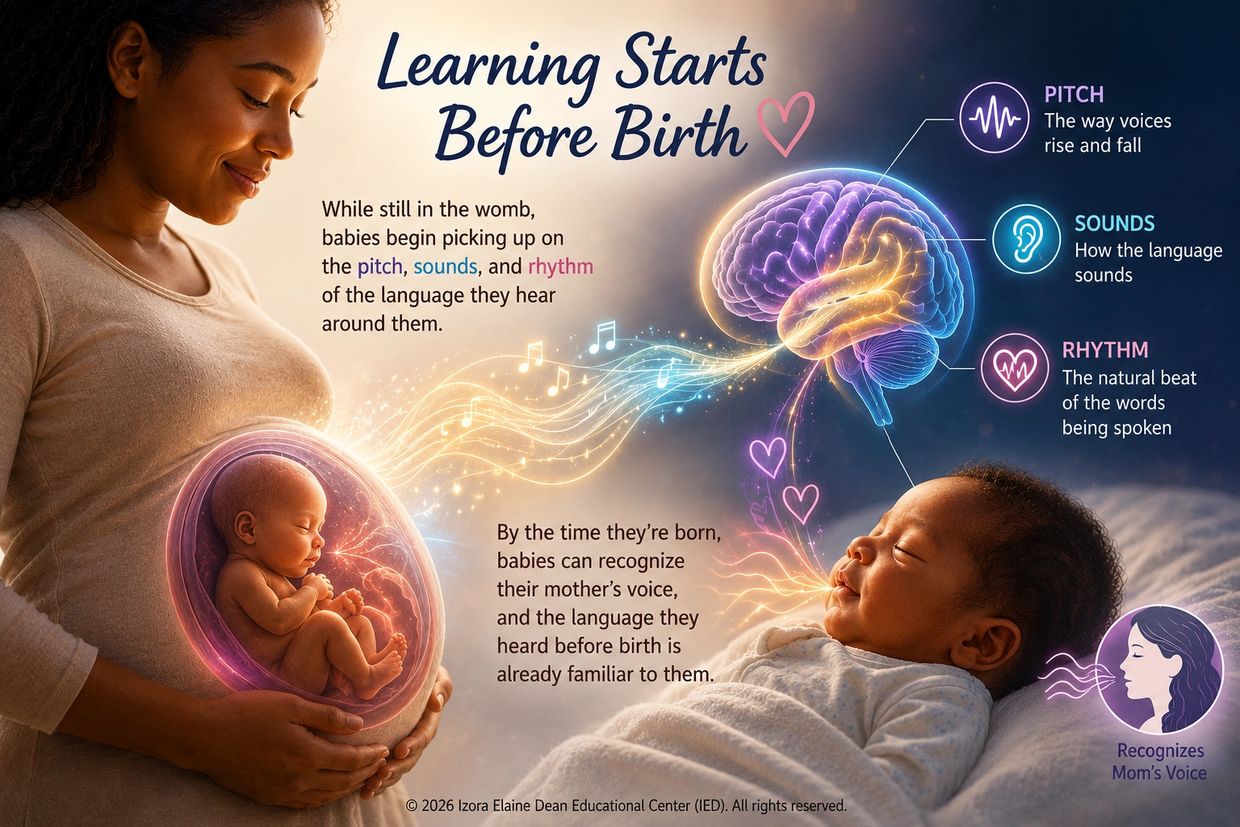
Did you know your child started learning about language before they were even born?   


Yep! While babies are still in the womb, their little brains are already listening and learning. They begin picking up on the pitch, sounds, and rhythm of the language they hear—the way voices go up and down, how the language sounds, and even the natural beat of the words being spoken.


Here’s the really cool part. By the time babies are born, they already recognize their mother’s voice, and the language they heard while in the womb sounds familiar to them.


Just think about that for a minute. Before your child ever said “mama,” “dada,” or any other word, their brain had already started learning about language. Pretty amazing, right?


Well, if the brain is already doing that much work before a child is even born, just imagine what starts happening when it’s time to learn how to read, write, and spell.


Coming Tomorrow...


Day 2 — How the Brain Reads, Writes, and Spells


Tomorrow, we’re going to start finding out! We’ll meet the Four-Part Processor and take our first look at what’s happening inside your child’s brain when they read, write, and spell.

Trust us—you’re going to want to see what that brain is up to!  


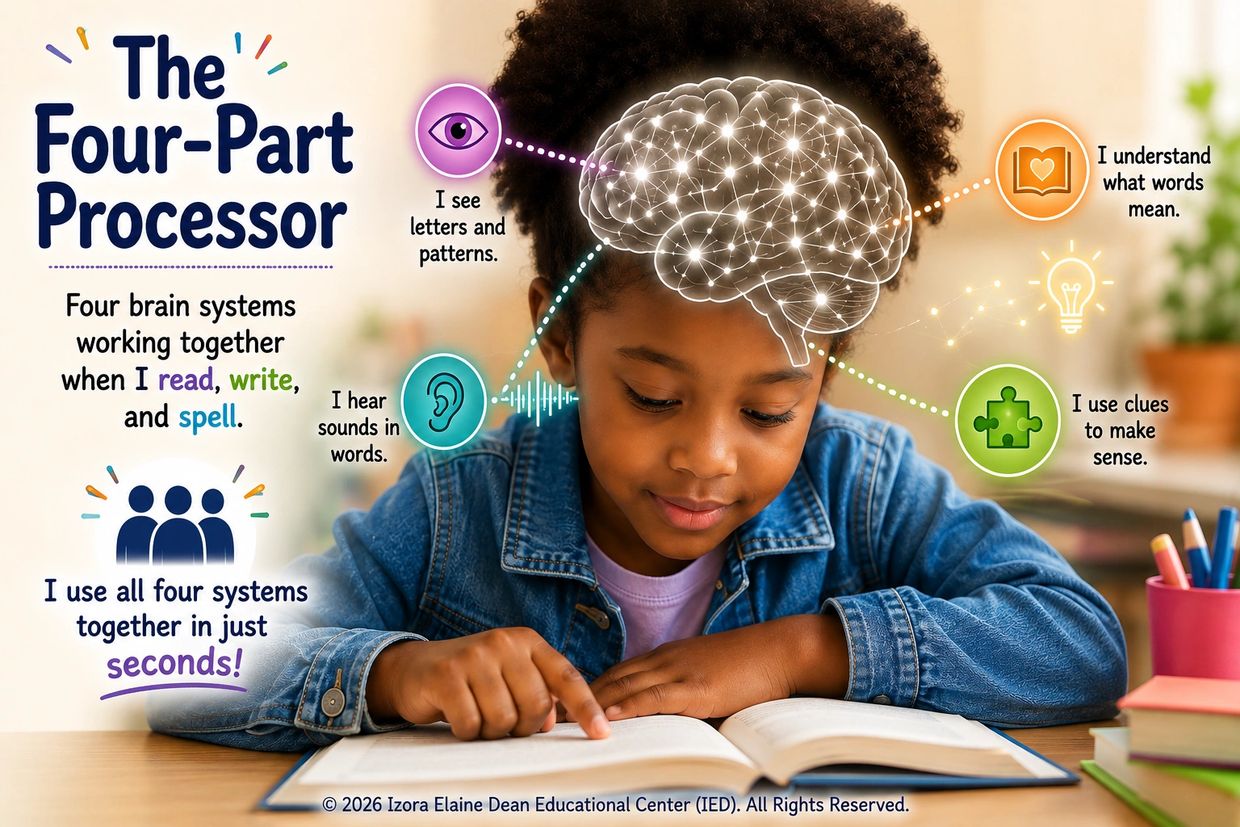
child using her parts of the brain to read

Day 2- Meet the Four-Part Processor!

Have you ever wondered what is happening inside your learner's brain when they read a word? We see a learner looking at words on a page, but there is a whole lot happening inside the brain that we can't see!


Today, we're going inside the reading brain and introducing you to something called the Four-Part Processor. It helps us understand four different parts of the brain that work together when we read, write, and spell. You'll meet the Phonological Processor, Orthographic Processor, Meaning Processor, and Context Processor. Over the next several days, we're going to slow down and take a closer look at each one so you can understand what it does and why it matters.


Why should families know this? When a learner is having difficulty with reading, writing, or spelling, knowing how the brain works can help us begin asking better questions. Rather than only wondering, “Why is reading so hard?”, we can begin thinking about questions like, “Which part of my learner's brain may need to be strengthened to help them become a stronger reader?” That's a very different way of looking at reading difficulties.


Are you ready? Let's dive in and have fun exploring the brain!
Read today's article

Think You Know the Four-Part Processor? Take the Challenge!

Keep the Four-Part Processor Close By

 Before we start breaking down each processor, let’s get to know the Four-Part Processor as a whole. Read today’s article and watch our video, How the Brain Reads, Writes, and Spells, to meet all four processors and begin seeing how they work together. 

Read now

Keep the Four-Part Processor Close By

Think You Know the Four-Part Processor? Take the Challenge!

Keep the Four-Part Processor Close By

We created a free Four-Part Processor Family Trifold that gives you a simple visual guide to all four processors. Keep it nearby throughout the next several days. As we explore each processor, you'll have something you can go back to whenever you need a quick reminder of what each part does.

Download now

Think You Know the Four-Part Processor? Take the Challenge!

Think You Know the Four-Part Processor? Take the Challenge!

Think You Know the Four-Part Processor? Take the Challenge!

 The cards are designed to challenge what you are learning about the reading brain. Download them now, and as we work our way through the four processors, see how many challenges you can figure out. Don't worry—we're not leaving you hanging! After we've explored all four processors, we'll come back together for a special prerecorded video and work through the Challenge Cards with you. By then, you may be surprised by just how much you understand about what is happening inside the brain when we read, write, and spell.

Download now

Day 3- Meet the Orthographic Processor!

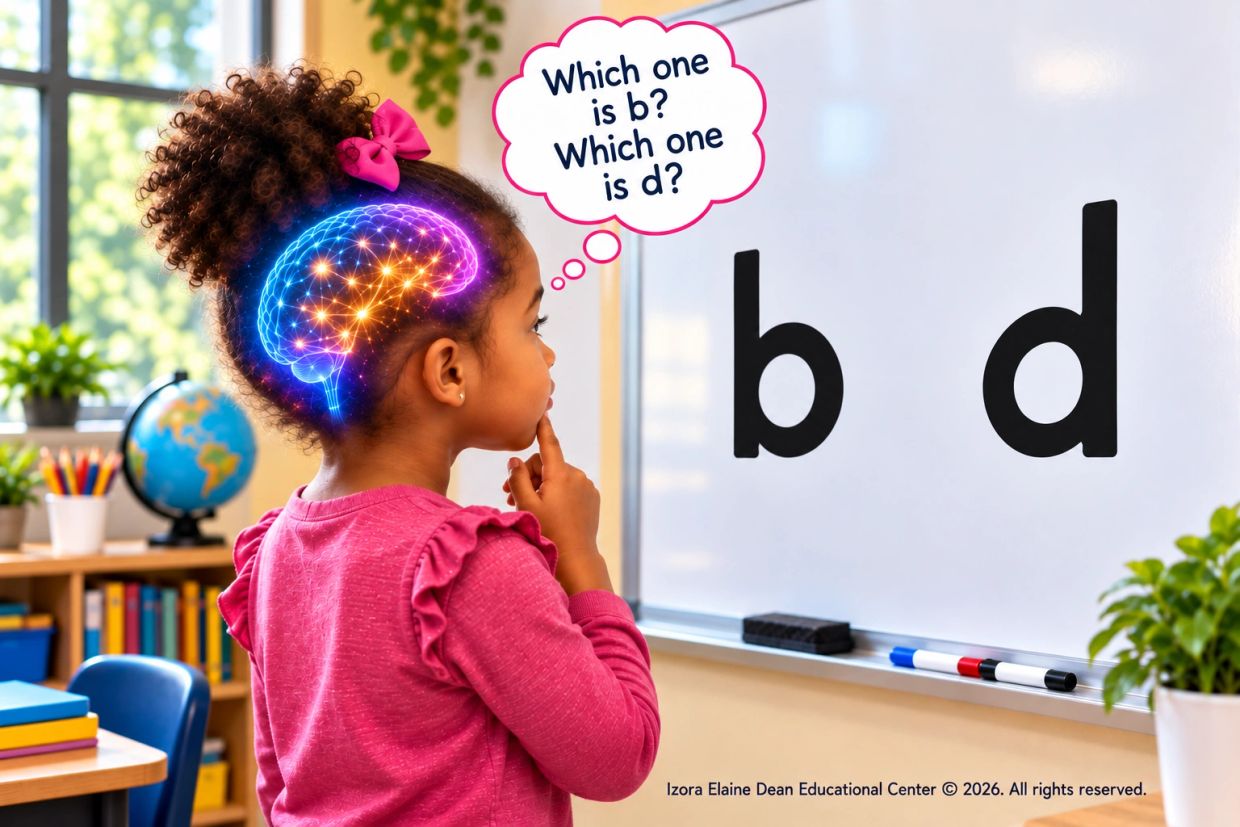
Have you ever wondered why your learner can sing the ABCs from beginning to end but still have trouble recognizing some of those same letters when they see them by themselves? 


Maybe they know a b one minute, but the next time they see it, they call it a d. Maybe there are words they recognize right away, while other words make them stop, look closely, and really think about what they're seeing. There's a lot happening in the brain when we look at letters and words, and today we're going to help you understand a little more about that work. Meet the Orthographic Processor.


The Orthographic Processor helps us recognize, remember, and work with the letters and words we see in print. As learners are learning to read, their brains are learning what letters look like, how letters are different from one another, which letters and patterns they have seen before, and which words are becoming familiar.


As learners get better at recognizing and remembering what they see in print, their brains can begin recognizing familiar letters and words more quickly and with less effort.

Today, we're going to help you experience some of that for yourself. Then we'll help you think about what it might look like when your own learner is reading.

Read today's article

Keep the Four-Part Processor Close By

Keep the Four-Part Processor Close By

Let's start with a question: If your learner can sing the ABCs, does that mean they recognize their letters? In today's article, we're going to explore that question together. You'll get to try a few things with your own brain as we talk about letter recognition, word recognition, and automaticity. Then we'll connect what you experience back to the Orthographic Processor and help you begin noticing some of the same things with your learner.

Read now

Keep the Four-Part Processor Close By

Keep the Four-Part Processor Close By

Keep the Four-Part Processor Close By

 There are a lot of new terms to remember as we learn about the Four-Part Processor, so we've created something you can keep nearby to help. Our FREE Four-Part Processor Trifold gives you a simple reference for each of the four processors involved in reading, writing, and spelling. Keep it with you throughout our Four-Part Processor lessons and pull it out whenever you need a quick reminder of what each processor does. You can also use it while you're working through your Challenge Cards!

Download now

Watch the video: How the Brain Reads, Writes, and Spells

Think You Know the Four-Part Processor? Take the Challenge!

Think You Know the Four-Part Processor? Take the Challenge!

 Want to see how all four processors work together? Watch our How the Brain Reads, Writes, and Spells video for an easy-to-understand look at the Four-Part Processor and some of the work happening in the brain when we read, write, and spell. Now that you're learning about the Orthographic Processor, see if you can spot where it fits into the bigger picture.

watch now

Think You Know the Four-Part Processor? Take the Challenge!

Think You Know the Four-Part Processor? Take the Challenge!

Think You Know the Four-Part Processor? Take the Challenge!

 Ready to test what you're learning? Grab your Four-Part Processor Challenge Cards and see if you can figure out which processor you think is doing the work in each example. You don't have to know all the answers yet. Make your best predictions and keep your cards nearby. As we learn about each processor, you may find yourself going back and changing some of your answers. That's part of the fun!

Download now

 © 2019–2026 Izora Elaine Dean Educational Center. All Rights Reserved. 

  • Home
  • About Us
  • Services
  • Build Microschool
  • LLICT Summer Tutoring
  • Young Infant- by 8 Months
  • Shop
  • Kindergarten-Fifth Grade
  • Sixth-Eighth Grade
  • Ninth Grade and Beyond
  • Subscription Boxes
  • IED Village
  • Privacy Policy
  • Make a Payment
  • Our School
  • Blog
  • Courses & Workshops
  • Gift Cards
  • Library
  • Return & Refund Policy
  • Terms and Conditions
  • Grade Level Experience
  • 30 Days of Literacy

Powered by

Cookie Policy

This website uses cookies. By continuing to use this site, you accept our use of cookies.

DeclineAccept & Close